Why do some repair jobs quietly sit on a shop lot for weeks without anyone noticing?
Cars do not stall in the bay, they stall in the gaps between people. Here is how jobs go silent, and how an age counter plus a weekly lot walk brings them back into view.
The Four Ways a Repair Job Goes Quiet
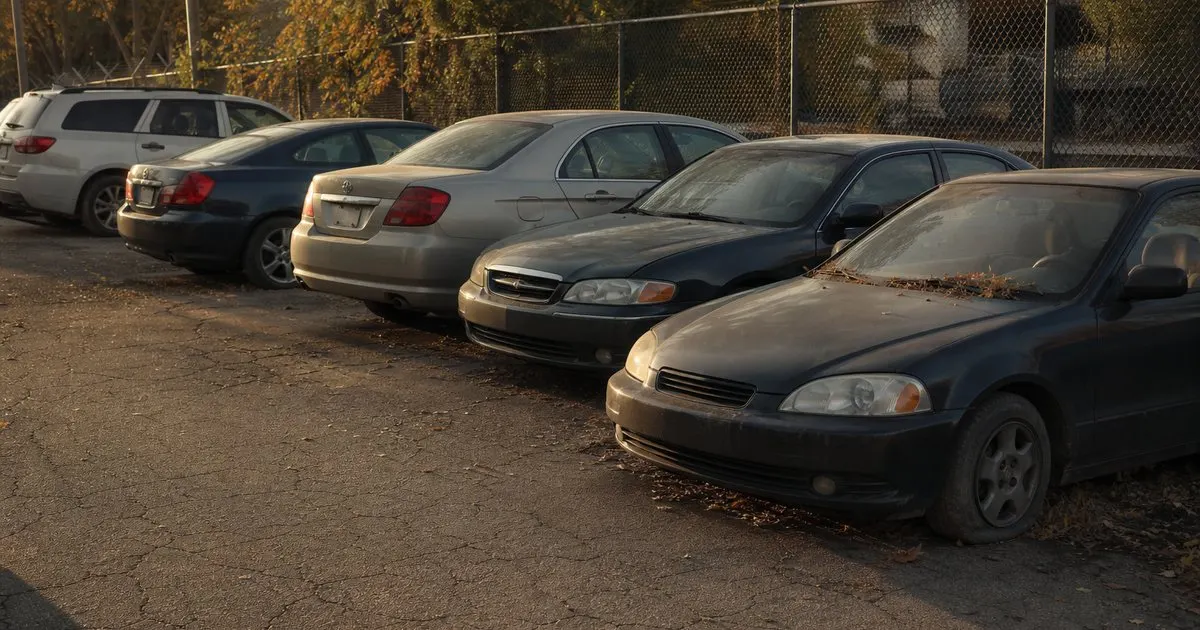
Almost every long forgotten car on a shop lot got there one of four ways. It is waiting on a customer decision that never came back. It is waiting on a part that was ordered, delayed, and then dropped out of everyone's memory. It is waiting on a third party such as an insurer, an extended service contract administrator, a warranty company, or a fleet coordinator who has not answered. Or it is an orphaned diagnosis, where a technician looked at it, pushed it outside for a tomorrow that never arrived, and moved on to work that was easier to finish. Related: How do you keep customers informed about their car repair status all day?
The common thread is that the next step belongs to somebody who does not work in your bays. A job board tracks work in progress extremely well because the technician is right there and the card moves when the wheels come off. It tracks waiting on other people badly, because nothing physical happens to prompt an update. That is why the stalled cars are almost never the complicated repairs. They are the simple ones where a single phone call was owed and no one owned it.
Keep reading: How do you keep customers informed about their car repair status all day?, What is the best way to run a repair shop job board smoothly?, Why do customers get frustrated waiting for auto repair status updates?. See how GarageTrackr helps you auto repair job board with live status for customers.
Waiting on the Customer Is the Most Common Stall
The pattern is familiar. The advisor sends an estimate, the customer says they need to think about it or check with a spouse, and the advisor says no problem and moves to the next fire. There is no callback date, no owner, and no agreement about what happens to the car in the meantime. Two days later nobody remembers whose turn it was. Two weeks later the car is at the back of the lot under a layer of pollen and the advisor is quietly hoping the customer calls first. Fix this with one rule: no estimate goes out without a callback date and a name attached to it, and undecided jobs get the same treatment as declined ones.
The second half of the fix is a hold policy you state out loud at drop-off, before anything goes wrong. Something like: we are glad to hold the car while you decide, and we can do that for a few business days, after that we need the space and will ask you to pick it up. Many shops use two or three business days as a default. Said at the counter it sounds like a normal plan. Said two weeks later on the phone it sounds like a threat. Put the hold expiration date on the card so the board carries the deadline instead of the advisor's memory.
Make Age Visible on Every Card
You cannot fix what the board does not show. Every card needs a visible age, and the number that catches stalls is not days since the car arrived. It is days since the last real update, or days past the promised date. A vehicle that has been here nine days but got a customer call yesterday is fine. A vehicle that has been here four days with total silence is the one drifting. Color the card once it crosses a threshold the shop agrees on and let the color do the nagging, so nobody has to play detective at the end of the week. Related: What is the best way to run a repair shop job board smoothly?
Watch out for the fake green board. If touching a card resets the counter, people will touch cards, and every job will look healthy while three cars quietly rot behind the building. Tie the counter to something that actually moves the job forward, such as a logged customer contact, a parts order number, or a status change, rather than to anyone opening the record. Then audit it occasionally by picking the two oldest cards and asking the owner to explain exactly what the next step is and when it happens. If they cannot answer in one sentence, the card was not really being worked. Related: Why do customers get frustrated waiting for auto repair status updates?
Walk the Lot Once a Week and Close the Loop
Set a standing time, once a week, for someone to physically walk the lot with the open job list in hand. Match every plate to a card. This is where you find the ghosts: tow-ins that were never written up, cars belonging to employees or friends of the shop, vehicles that were picked up on paper but are still parked out back, and repair orders that were closed while the car stayed. Fifteen minutes of walking usually finds more than an hour of clicking, because the lot tells the truth and the software only knows what people entered. Related: When should a shop text a customer for approval on extra repair work?
Then give every aged job an exit path instead of hoping. That normally means a documented sequence: a call, a text, a written notice, and if it goes that far, certified mail, with every attempt logged on the card so there is a record. Rules on storage fees, mechanic liens, and abandoned vehicles vary a great deal from state to state, and some require specific notice periods and wording, so have your own attorney set the template once and then just follow it. Storage charges also need to be disclosed up front to be worth anything. The goal is not to squeeze a customer, it is to stop paying for parking spaces you need and to keep the lot honest.
- Stalled cars are almost always waiting on a person outside the bay: a customer, a supplier, an insurer, or a fleet contact.
- Every estimate leaves with a callback date and a named owner, and undecided jobs get followed up like declined ones.
- Track days since the last real update rather than days on the lot, and make the card change color on its own.
- Walk the lot weekly with the open job list, and give every aged vehicle a documented exit path you built with an attorney.

Julien Jimenez
Julien Jimenez is an independent software builder based in Paris. He designs, ships, and operates focused SaaS products for small businesses and independent professionals. Read the full author page.
A Job Board Customers Can Follow
Auto repair job board with live status for customers. GarageTrackr is built to help you put this into practice.
Start free trialMore from the GarageTrackr blog

How do you keep customers informed about their car repair status all day?
What is the best way to run a repair shop job board smoothly?

Why do customers get frustrated waiting for auto repair status updates?
Get the GarageTrackr playbook
Practical guides on auto repair software, straight to your inbox as we publish them. No spam, unsubscribe any time.