
Auto Repair Software
How do you keep customers informed about their car repair status all day?
How proactive status updates cut the phone calls and build trust while a car is in the shop.
Practical, honest advice from the team behind GarageTrackr, written to help you do this well.
How proactive status updates cut the phone calls and build trust while a car is in the shop.
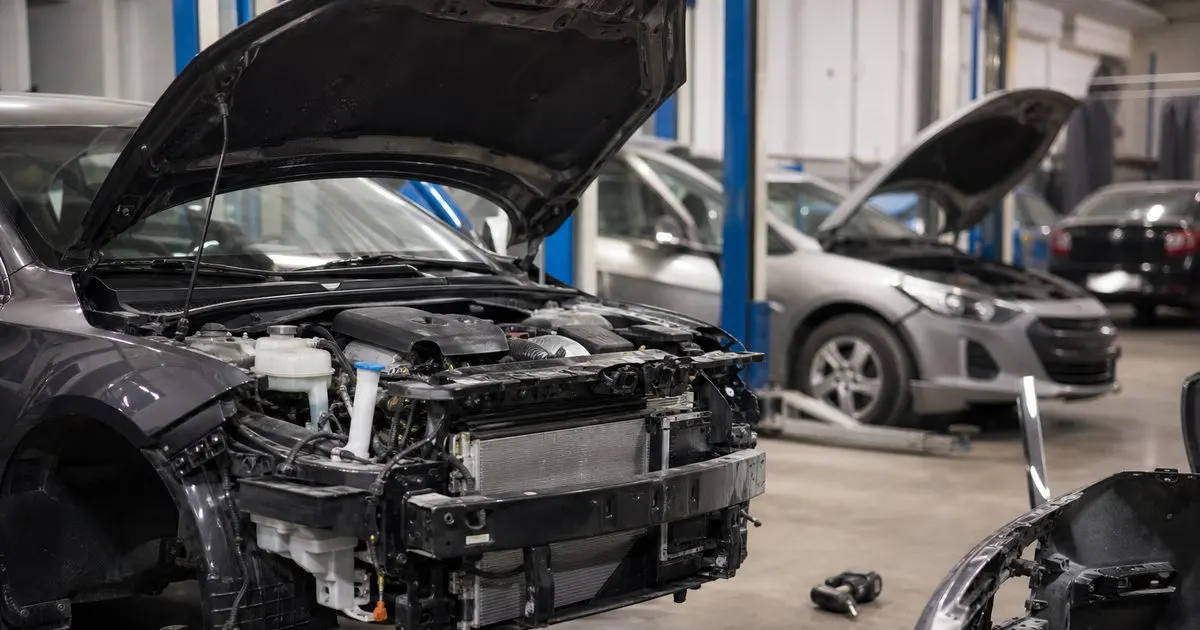
How to organize a shop job board so every car's status is clear and nothing gets lost in the shuffle.
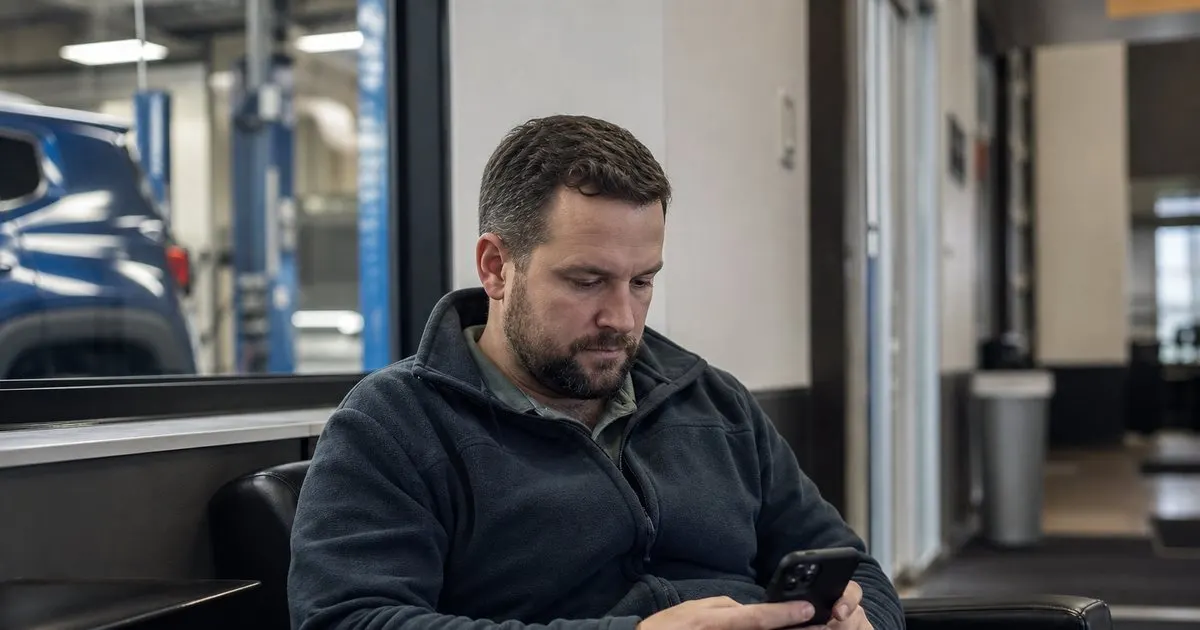
The psychology behind repair-status frustration and how shops can turn anxiety into trust.
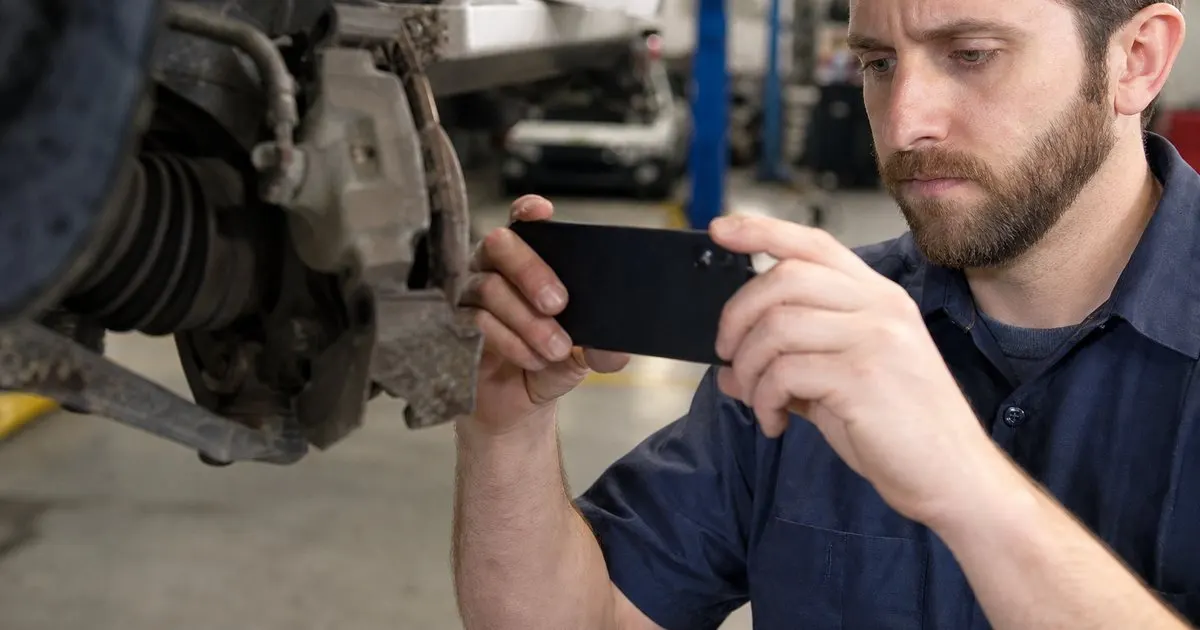
How to handle approvals for added work promptly and in writing so repairs stay moving and trusted.

A practical set of job-board statuses that reflect how work really flows through a repair shop.
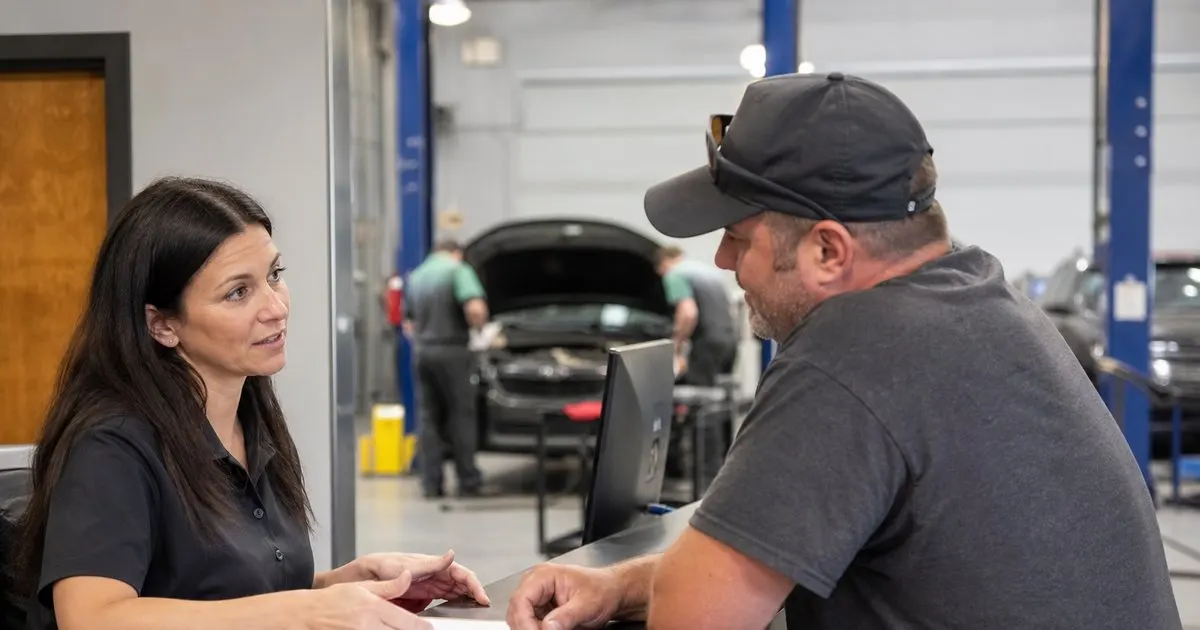
Where a live job board recovers time across the shop day and why the savings compound.

How to get a quick approval without stalling the car when a repair decision cannot wait.
How to keep vehicles flowing through the shop so none stall or get forgotten between stages.

How to write status texts that inform and reassure customers without creating more questions.
A backordered part turns a one-day job into an open-ended wait. Here is how advisors keep the customer calm, the bay productive, and the job board honest.
The board only works if the people turning wrenches keep it current. Here is what actually changes behavior in the bays, and what just creates resentment.
Comebacks are expensive, awkward, and full of lessons. Tracking them with a distinct status and a short root-cause note turns them from a fire drill into a fix.

Ten focused minutes at the board each morning prevents most of the afternoon's chaos. Here is a structure that works for shops with two techs or ten.
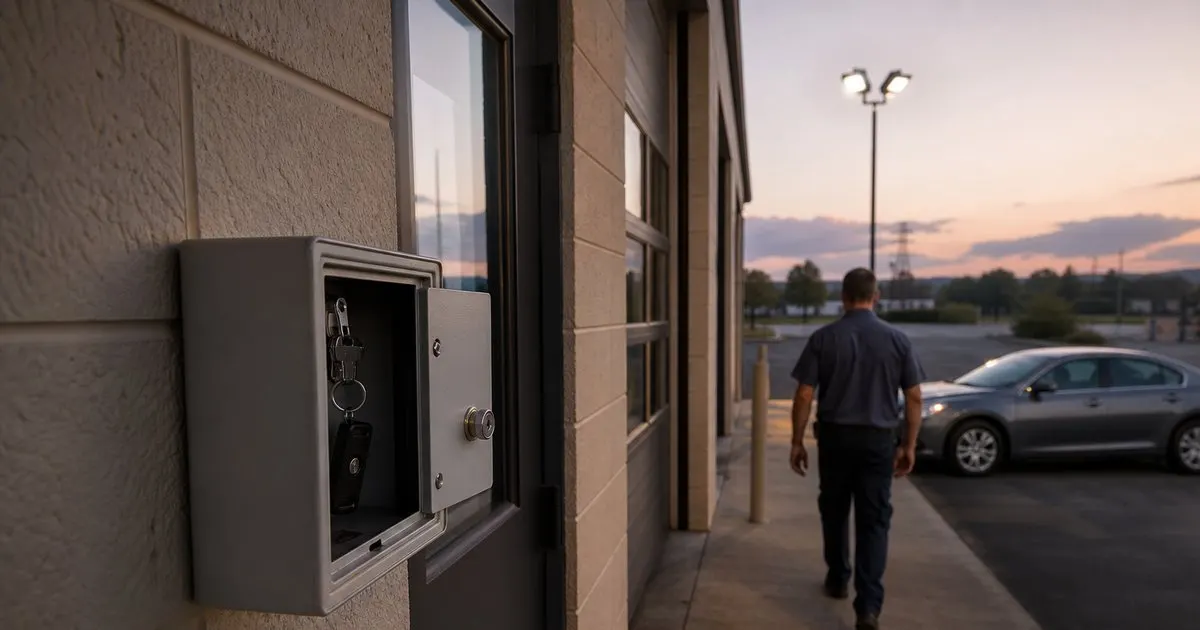
Customers love picking up at 7 p.m. Shops love not being there. A clear process for payment, keys, and liability makes both true without an ugly surprise.
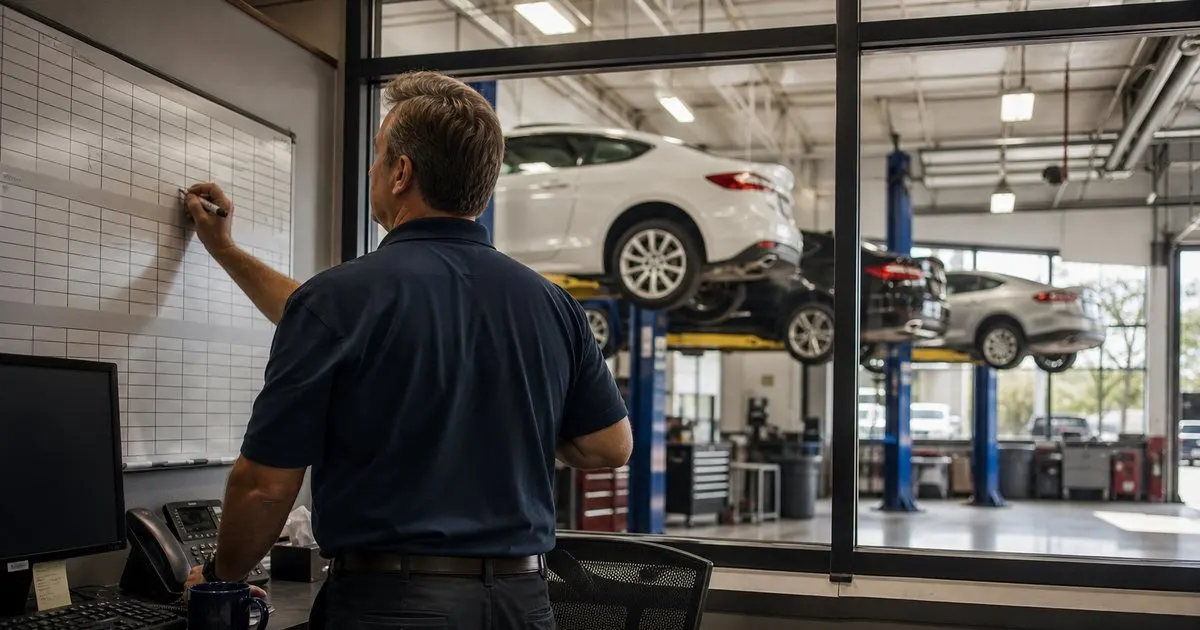
There is no magic number, but there is a method. Here is how to set a daily workload per tech that keeps promises without idling the bays.
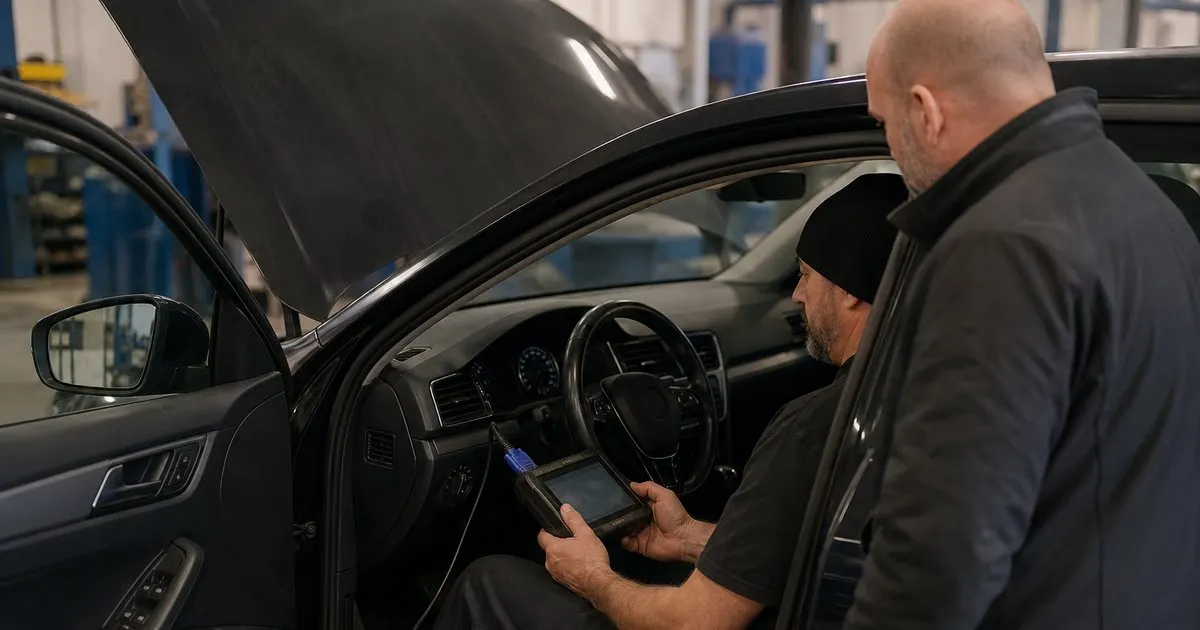
Customers understand paying to fix a car. Paying to find out what is wrong feels different. Here is why diagnosis confuses people and how shops explain it well.
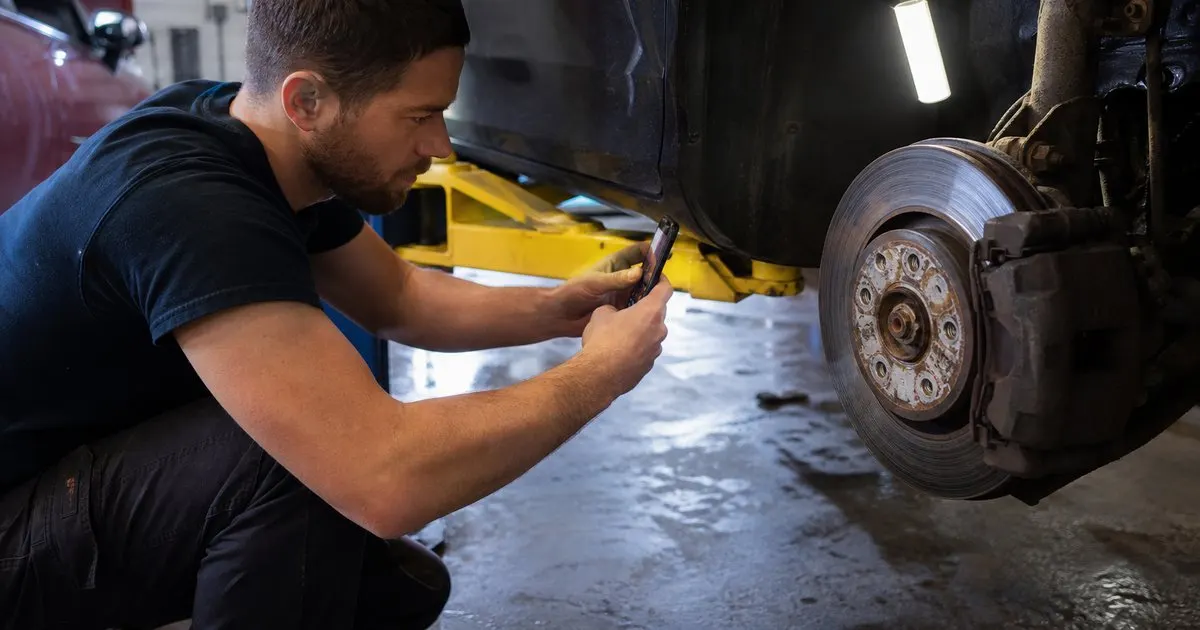
A few well-chosen photos do more to get an estimate approved than any phone script. Here is what to shoot, what to skip, and how to keep it fast.
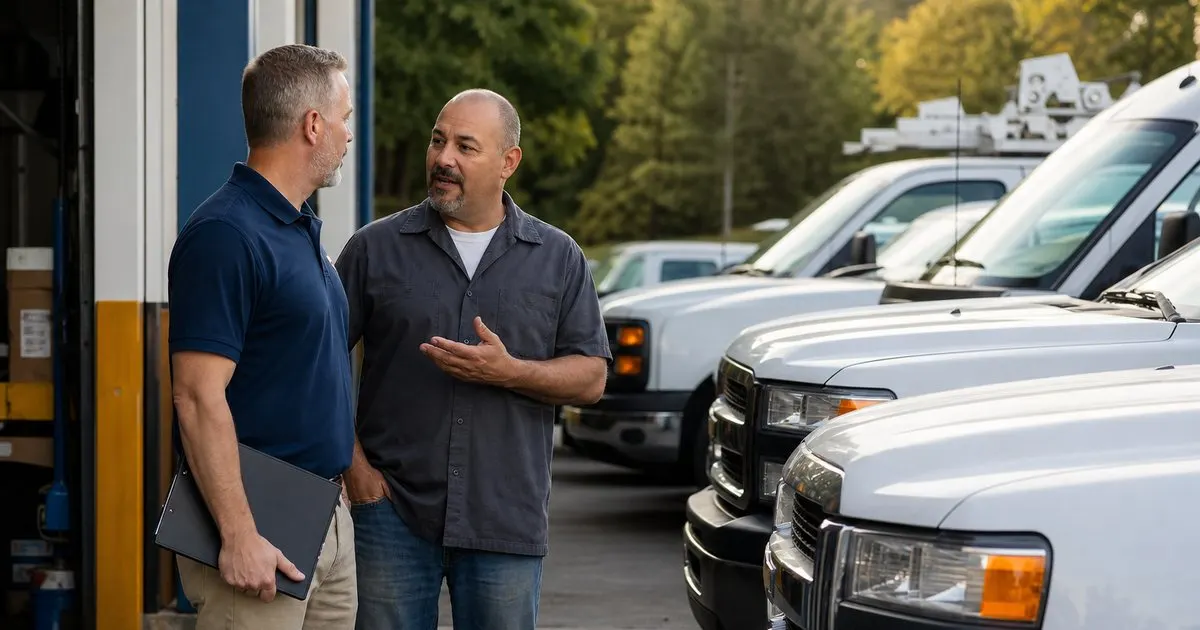
Fleet accounts pay well and ask a lot. A shop that can answer where all the trucks are without a phone call earns the next contract.
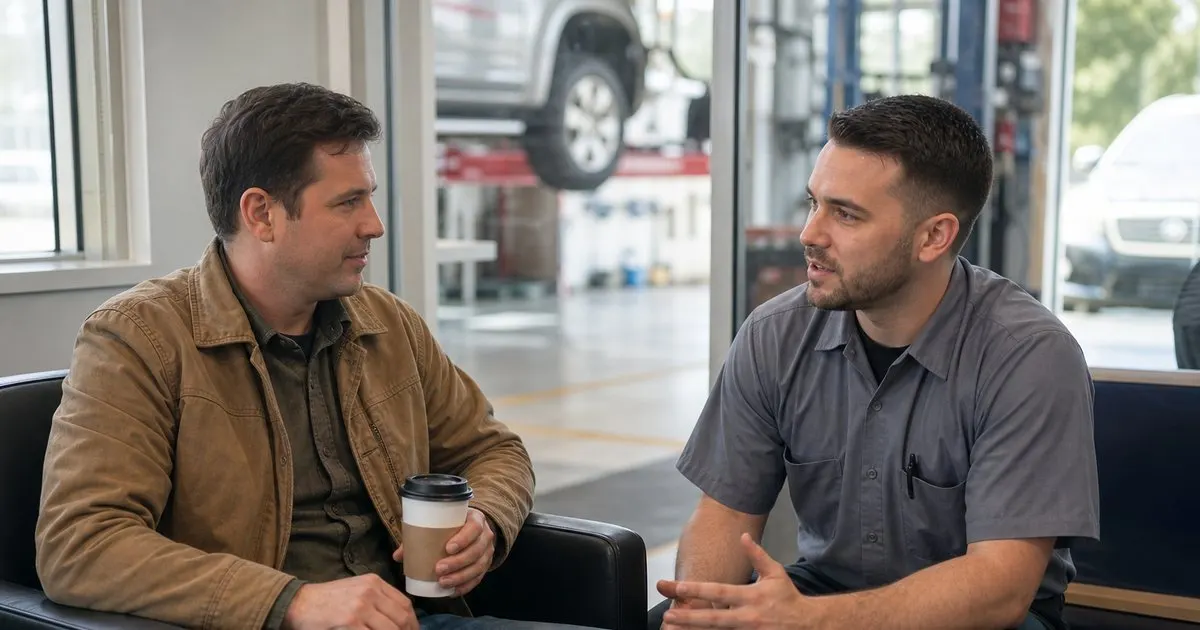
A waiter who planned for ninety minutes and loses the whole day is a scheduling failure, not a repair failure. Here is how to break the news early, offer real options, and protect the promise on the board.
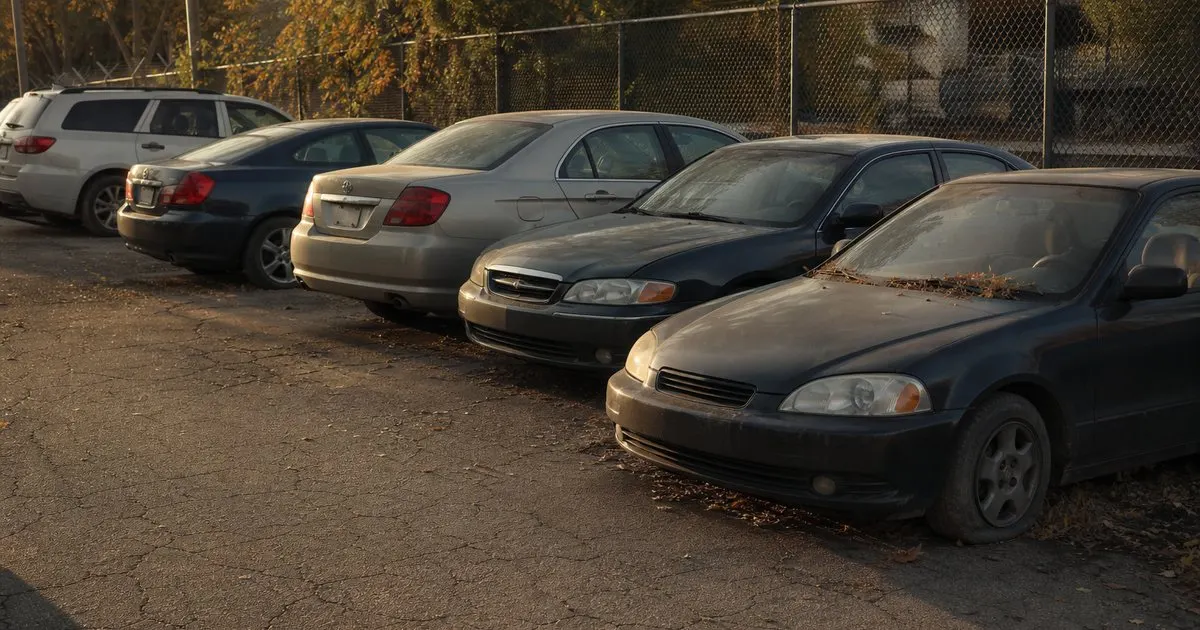
Cars do not stall in the bay, they stall in the gaps between people. Here is how jobs go silent, and how an age counter plus a weekly lot walk brings them back into view.