How much time does a live status board save an auto repair shop?
Where a live job board recovers time across the shop day and why the savings compound.
A live board recovers time in several ways: it cuts most status calls, ends the walks to hunt down where a car stands, and catches stalled cars before they sit idle for hours. Each saving is small, but across every car and advisor they compound into real freed capacity.
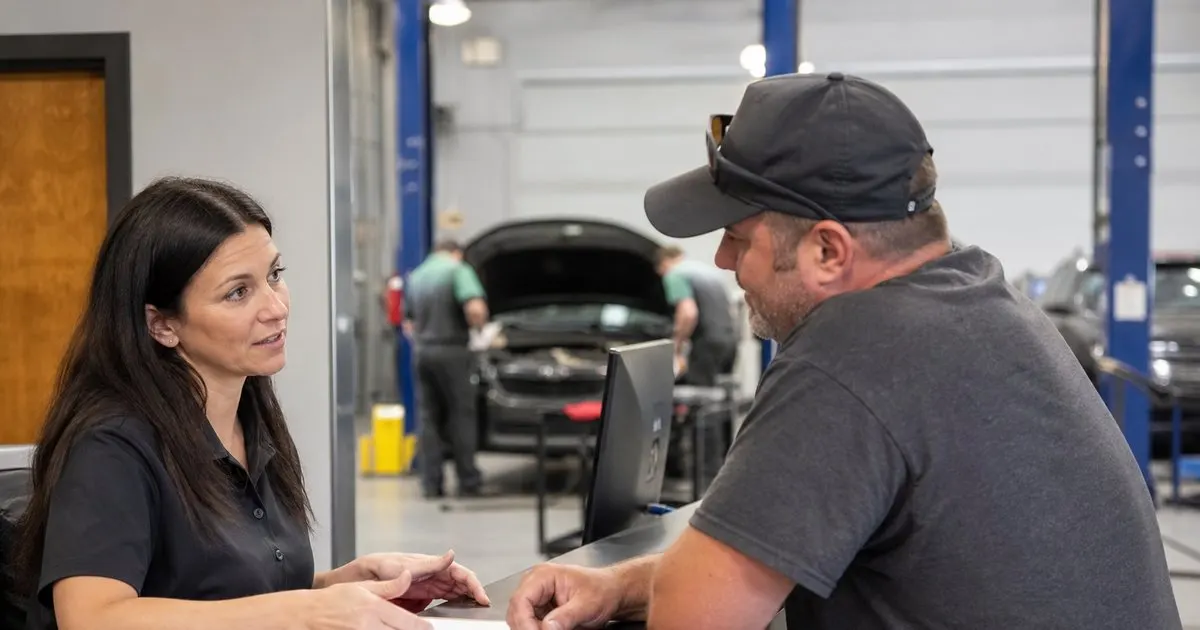
Fewer status calls to answer
The most immediate time saving is at the front desk. Every customer call asking whether the car is ready pulls an advisor off what they were doing, and those calls add up across a day. When customers get proactive updates, most of those calls simply never happen, freeing advisors for real work. Related: Why do customers get frustrated waiting for auto repair status updates?
The interruption cost is bigger than the call length. Each interruption breaks concentration and takes time to recover from, so cutting the volume of status calls buys back more than just the minutes spent talking.
Keep reading: How do you keep customers informed about their car repair status all day?, What is the best way to run a repair shop job board smoothly?, Why do customers get frustrated waiting for auto repair status updates?. See how GarageTrackr helps you auto repair job board with live status for customers.
Less time hunting for status
Without a shared board, finding out where a car stands means walking to the bay, asking a tech, and interrupting them. A live board answers the question at a glance for anyone. That saved walk and interrupted conversation, repeated dozens of times a day, is real recovered time for both advisors and techs.
Techs benefit as much as advisors. Not being pulled off a job every few minutes to report a status lets them stay heads-down and finish work faster, which speeds the whole shop. Related: When should a shop text a customer for approval on extra repair work?
Fewer forgotten and stalled cars
A live board catches the cars that would otherwise slip: the one waiting on an approval nobody chased, the finished car nobody told the customer about. Recovering that lost time, cars sitting idle for hours or a day, tightens the whole cycle and gets vehicles through faster.
This shows up as throughput. When fewer cars stall in limbo, bays turn over quicker and the shop simply gets more work done with the same people and space.
The savings compound
Individually these look like small savings, a few calls here, a few walks there, but they compound across every car, every advisor, and every day. A busy shop making dozens of these tiny recoveries daily frees up meaningful capacity without hiring anyone. Related: Which job statuses should an auto repair shop board actually track daily?
GarageTrackr provides that live shared board with automatic customer updates, so a shop reclaims the time lost to status calls, status hunting, and stalled cars, and puts it back into actually turning wrenches. Related: How do you keep customers informed about their car repair status all day?
- Proactive updates cut most status calls.
- A glanceable board ends time-wasting status hunts.
- Visible blockers keep cars from stalling for hours.
- Small daily savings compound into real freed capacity.

Julien Jimenez
Julien Jimenez is an independent software builder based in Paris. He designs, ships, and operates focused SaaS products for small businesses and independent professionals. Read the full author page.
Frequently asked questions
How does a status board help technicians, not just advisors?
Techs stop being pulled off a job every few minutes to report a status. A glanceable board answers those questions for anyone, letting techs stay heads-down and finish work faster, which speeds the whole shop.
Why does cutting status calls save more than the call length?
Each interrupting call breaks an advisor's concentration and takes time to recover from. So removing the volume of status calls buys back far more than just the minutes spent talking on the phone.
A Job Board Customers Can Follow
Auto repair job board with live status for customers. GarageTrackr is built to help you put this into practice.
Start free trialMore from the GarageTrackr blog

How do you keep customers informed about their car repair status all day?
What is the best way to run a repair shop job board smoothly?

Why do customers get frustrated waiting for auto repair status updates?
Get the GarageTrackr playbook
Practical guides on auto repair software, straight to your inbox as we publish them. No spam, unsubscribe any time.