How should an auto repair shop track comeback repairs on its job board?
Comebacks are expensive, awkward, and full of lessons. Tracking them with a distinct status and a short root-cause note turns them from a fire drill into a fix.
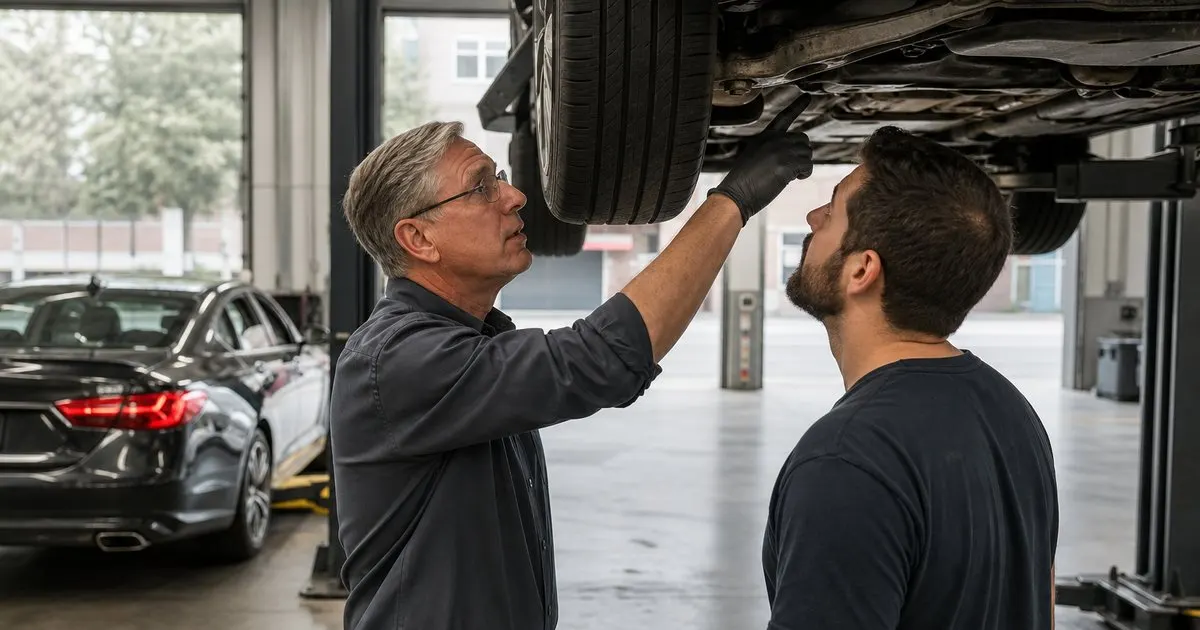
Give comebacks their own status and priority
A comeback that enters the board as a normal ticket gets treated like a normal ticket, which means it waits in line behind paying work. That is the wrong call both for the customer, who has now lost their car twice, and for the shop, which is paying for every hour the vehicle sits. Create a distinct comeback or rework flag on the job card that shows at a glance on the board and moves the vehicle to the top of the queue for triage. Related: How do you keep customers informed about their car repair status all day?
Triage does not mean the original tech drops everything. It means the foreman or lead tech looks at the car within the hour to decide whether the complaint is related to the original repair, a new and unrelated problem, or a misunderstanding about what was fixed. That decision determines who pays, who works on it, and what the customer is told, so it needs to happen before anyone starts turning wrenches. Related: Why do customers get frustrated waiting for auto repair status updates?
Keep reading: How do you keep customers informed about their car repair status all day?, What is the best way to run a repair shop job board smoothly?, Why do customers get frustrated waiting for auto repair status updates?. See how GarageTrackr helps you auto repair job board with live status for customers.
Link the comeback to the original job, not just the vehicle
The value of tracking comebacks comes from the connection to the original repair order. Your board should let you open the comeback and see, without searching, the original complaint, the parts used, the tech who did the work, and the date. Many shops record this in a notes field, which works until you want to look at patterns across six months, at which point notes are nearly useless. Related: What is the best way to run a repair shop job board smoothly?
A linked record answers the questions that matter: is the same part failing across multiple vehicles, is one technician's work coming back more often, or is a particular job type, such as intermittent electrical faults, generating disputes because expectations were never set? Those answers rarely surface from memory. They surface from a list you can sort.
Decide who works on it, and be honest about the reason
There are two schools of thought on assigning comebacks. Sending it back to the original tech builds ownership and lets them see their own mistake. Sending it to a different tech gets a fresh set of eyes and avoids the defensiveness that can lead a tech to confirm their first diagnosis rather than question it. A practical rule: the original tech does the rework, but a second tech or the foreman verifies the diagnosis first.
Whatever you decide, record the root cause in a short structured note: part defect, installation error, misdiagnosis, unrelated failure, or customer expectation. Keep the categories few and the tone blameless. The purpose is to see which category is growing, not to build a case against anyone. A shop that punishes honest root-cause notes will quickly have no honest root-cause notes. Related: When should a shop text a customer for approval on extra repair work?
Tell the customer more than you think you need to
A comeback customer is watching closely. They want to know that you take it seriously, that they will not be charged for your mistake, and when they will get the car back. Say all three things in the first conversation, and put the status where they can see it. If your board offers a customer-facing view, the comeback should show as a priority job with an honest timeline, not as in queue.
When the vehicle is ready, walk the customer through what was found and what was done differently this time, even if it was a simple part failure. Then follow up a week later. A comeback that ends with a check-in call is one of the few situations where a shop can turn a bad experience into a referral, and it costs a two-minute phone call.
- Flag comebacks with their own status so they get triaged within the hour instead of waiting in the normal queue.
- Link every comeback to the original repair order so you can sort by part, tech, and job type later.
- Have a second person verify the diagnosis before rework begins, then log a blameless root-cause category.
- Tell the customer up front that there is no charge, give an honest timeline, and follow up a week after pickup.

Julien Jimenez
Julien Jimenez is an independent software builder based in Paris. He designs, ships, and operates focused SaaS products for small businesses and independent professionals. Read the full author page.
A Job Board Customers Can Follow
Auto repair job board with live status for customers. GarageTrackr is built to help you put this into practice.
Start free trialMore from the GarageTrackr blog
How do you keep customers informed about their car repair status all day?
What is the best way to run a repair shop job board smoothly?
Why do customers get frustrated waiting for auto repair status updates?
Get the GarageTrackr playbook
Practical guides on auto repair software, straight to your inbox as we publish them. No spam, unsubscribe any time.